
Why Selma Is Important
Selma, Alabama is one of the most important places in the history of the American Civil Rights Movement. The events that took place here in 1965 helped change the course of American democracy and led directly to the passage of the Voting Rights Act of 1965, one of the most important civil rights laws in United States history. During the early 1960s, many Black citizens across the South faced significant barriers when trying to register to vote. Despite being legally eligible, people were often blocked by discriminatory practices such as literacy tests, intimidation, economic retaliation, and complicated registration procedures designed to prevent Black voters from participating in elections. Selma became the center of a national movement to challenge these injustices.
Bloody Sunday
On March 7, 1965, a peaceful civil rights demonstration in Selma, Alabama became one of the most defining moments of the American Civil Rights Movement. The violent confrontation between voting rights activists and state law enforcement became known as “Bloody Sunday.”
The events that unfolded on that day shocked the nation, exposed the brutal realities of racial discrimination in the South, and accelerated the passage of the Voting Rights Act of 1965.
The Conditions That Led to the March
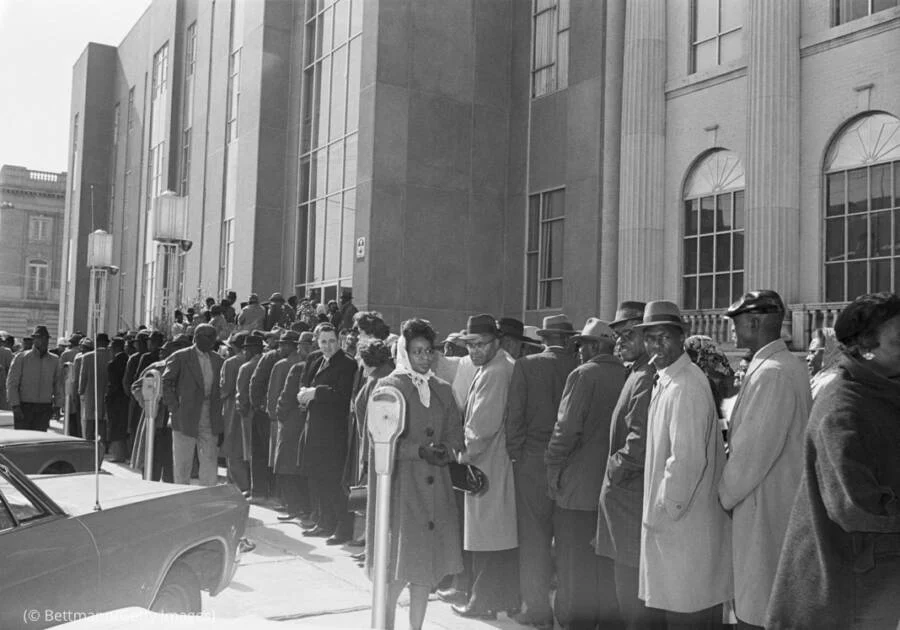
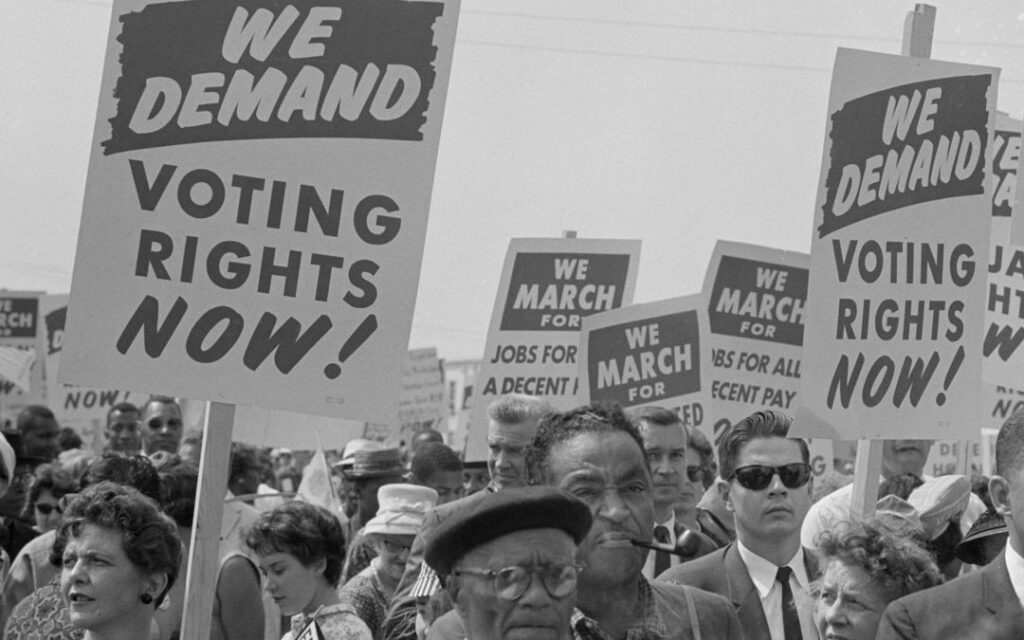
Nearly a century after the end of the Civil War, the racial legacy of slavery and segregation still dominated much of the American South. In Dallas County, Alabama, where Selma is located, African Americans made up more than half of the population. Yet, because of discriminatory laws and intimidation, only about 2 percent of Black residents were registered to vote. Local officials used a variety of tactics to block Black citizens from registering: • Literacy tests designed to be impossible to pass • Arbitrary voter registration requirements • Economic retaliation against those who attempted to register • Arrests and violence against civil rights activists For months, civil rights groups including the Student Nonviolent Coordinating Committee and the Southern Christian Leadership Conference worked with local residents in Selma to challenge these barriers. In January 1965, civil rights leader Martin Luther King Jr. arrived in Selma to support the campaign for voting rights. Peaceful demonstrations were organized throughout the city. Thousands of protesters were arrested, including King himself. At one point, King wrote that there were more Black citizens in jail than on the voter rolls in Selma. The tension between activists and local authorities continued to escalate.
The Death of Jimmie Lee Jackson
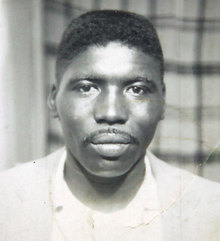
The immediate catalyst for the Selma march came weeks earlier in the nearby town of Marion, Alabama. On February 18, 1965, civil rights activists held a peaceful nighttime protest demanding voting rights. Alabama state troopers and local police attacked demonstrators. During the chaos, a 26-year-old civil rights activist named Jimmie Lee Jackson was shot by a state trooper while trying to protect his mother from being beaten by police. Jackson later died from his injuries. His death intensified outrage among civil rights leaders and strengthened the resolve to demand federal protection for voting rights. In response, activists planned a 54-mile march from Selma to Montgomery, the state capital of Alabama, to bring their demands directly to the governor.
Bloody Sunday on the Edmund Pettus Bridge
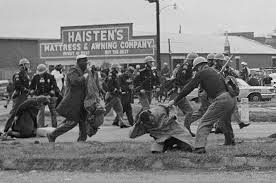
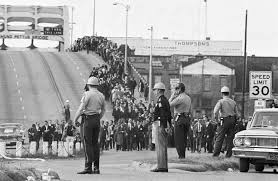
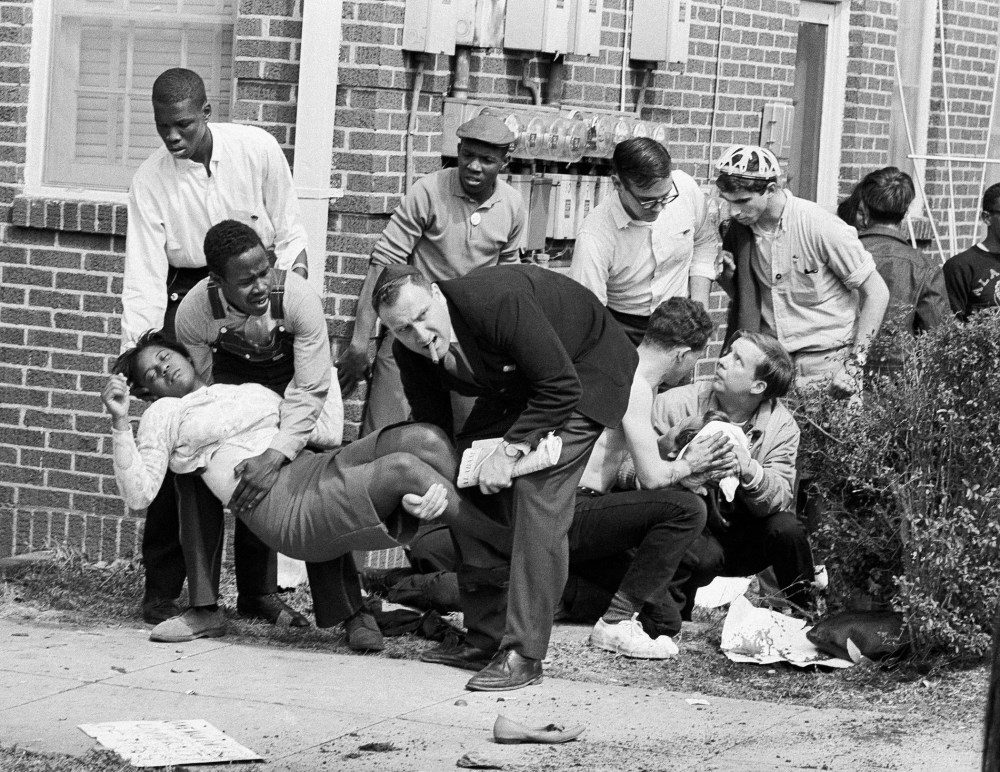
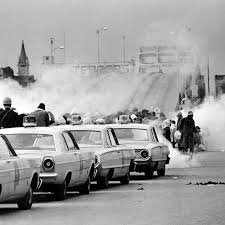
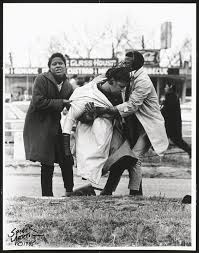
As the voting rights marchers crossed the Edmund Pettus Bridge on March 7, 1965, they were unaware of the violence that awaited them on the other side. Approximately 600 peaceful demonstrators had set out from Brown Chapel AME Church in Selma to begin a march to Montgomery demanding protection for Black voters in Alabama. Leading the march were civil rights leaders including John Lewis and Hosea Williams. When the marchers reached the crest of the bridge, they could see a line of Alabama state troopers waiting below, stretched across Highway 80 to block their path. Behind the troopers stood deputies from the local sheriff’s department under Sheriff Jim Clark, some mounted on horseback. A crowd of white spectators had also gathered nearby, many carrying Confederate flags and anticipating a confrontation. The demonstrators continued forward until they were about fifty feet from the line of officers. At that moment, Major John Cloud of the Alabama state troopers announced through a bullhorn that the protest was an unlawful assembly and ordered the marchers to disperse and return to Selma. Before the leaders of the march could respond or negotiate, the troopers advanced. Within seconds, law enforcement officers charged into the crowd of unarmed demonstrators. State troopers swung nightsticks and clubs, striking marchers and knocking many to the ground. Officers fired tear gas into the crowd, filling the air with choking smoke and confusion. Deputies on horseback surged forward, chasing fleeing demonstrators across the bridge while striking them with whips, clubs, and rubber tubing wrapped with barbed wire. Men, women, and children were beaten as they attempted to retreat. Many suffered serious injuries. John Lewis himself was struck repeatedly with a nightstick and suffered a fractured skull. Despite the brutal assault, the protesters remained committed to nonviolent resistance and did not fight back. The attack lasted only a few minutes but left dozens wounded and traumatized. What happened that day might have remained a local incident if not for the presence of television cameras. Journalists and photographers captured the entire confrontation, documenting the violent response to a peaceful protest. That evening, the footage aired on national television, interrupting regular programming across the country. Millions of Americans watched in shock as the images of troopers beating defenseless demonstrators filled their television screens. The broadcast notably interrupted the airing of the film Judgment at Nuremberg, which depicted Nazi war crimes and the moral responsibility of those who carried them out. The disturbing parallels between the scenes of state violence in Selma and the themes of the film struck a powerful chord with viewers. Public reaction was immediate and widespread. The events of “Bloody Sunday” sparked national outrage and galvanized support for the civil rights movement. People of all races organized demonstrations, sit-ins, and solidarity marches in cities across the United States. Clergy members, students, and activists traveled to Selma to stand alongside voting rights advocates. The violent attack on the Edmund Pettus Bridge transformed a regional struggle into a national crisis and helped build the momentum that ultimately led to the passage of the Voting Rights Act of 1965, one of the most important pieces of civil rights legislation in American history.
The Aftermath
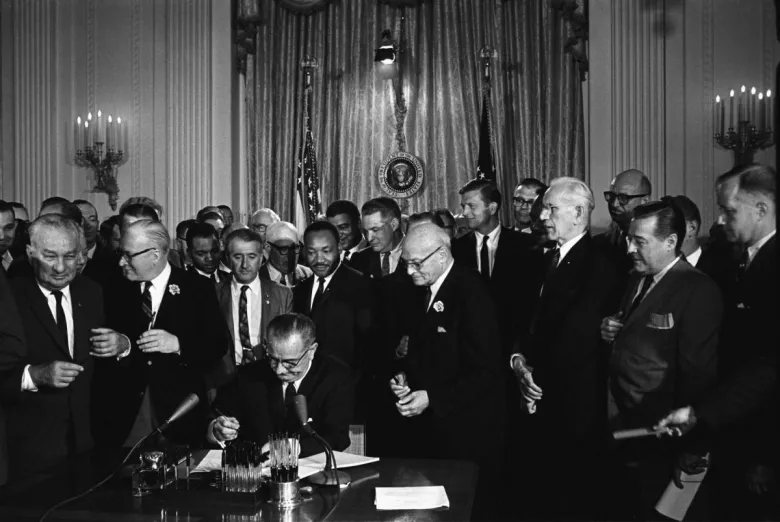
Two days later, civil rights leaders attempted another march in Selma led by Martin Luther King Jr., but they turned back when authorities again blocked the bridge. Eventually, a federal court ruled that the protesters had the right to march. On March 21, 1965, thousands of marchers began the journey from Selma to Montgomery under the protection of federal troops. After five days of marching, the number of participants had grown to over 25,000 people by the time they reached the Alabama State Capitol. The events in Selma created enormous pressure on Congress and the federal government to act. Just months later, President Lyndon B. Johnson signed the Voting Rights Act of 1965 into law
Why Bloody Sunday Still Matters
Bloody Sunday exposed the reality of voter suppression and racial injustice to the entire nation. The courage of those who marched in Selma helped secure legal protections that expanded voting access for millions of Americans. Today, the Edmund Pettus Bridge stands not only as a physical landmark but as a powerful symbol of sacrifice, resistance, and the ongoing struggle for equal voting rights. The events of March 7, 1965 remind us that the right to vote was hard-won—and that protecting democracy requires continued civic engagement.